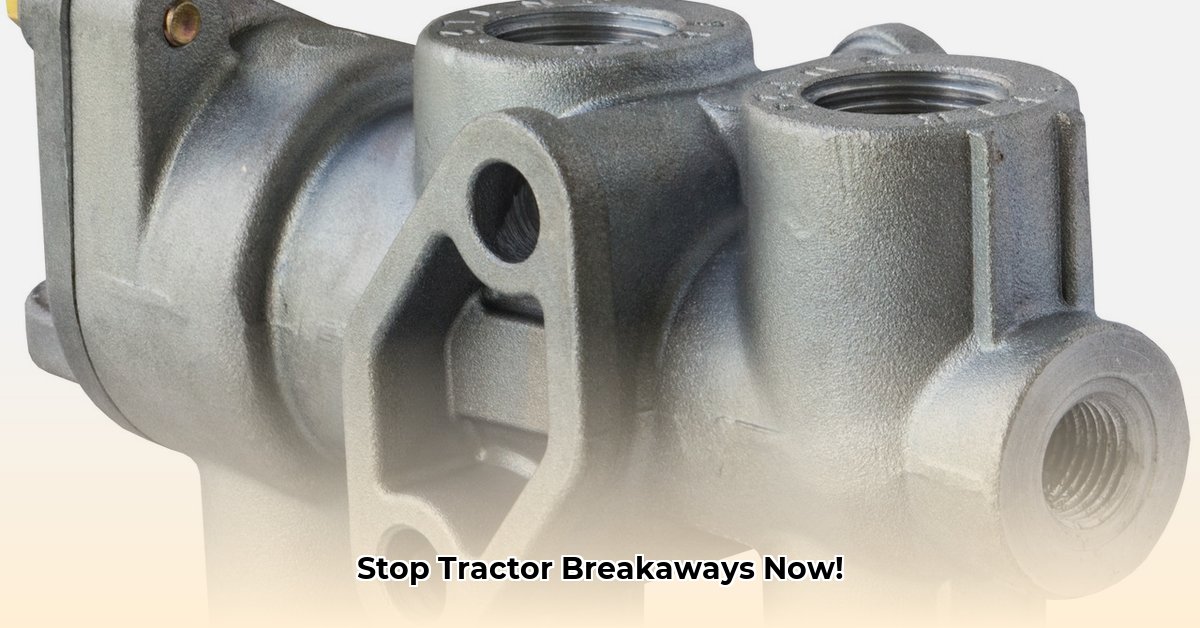
Tractor Protection Valves (TPVs): Your First Line of Defense Against Trailer Breakaways
Tractor protection valves (TPVs) are often overlooked safety components, yet they represent a crucial line of defense against the potentially catastrophic consequences of trailer breakaways. This instructional guide offers a comprehensive overview of TPVs, encompassing their function, maintenance, troubleshooting, and the importance of comprehensive driver training and industry-wide collaboration. For more detailed information on Freightliner TPVs, check out this helpful resource: Freightliner TPV info.
Understanding how a TPV works is paramount. It's a fail-safe mechanism designed to automatically engage the trailer brakes upon disconnection from the tractor. This prevents a runaway trailer, mitigating risks of accidents and property damage. But effective TPV operation hinges on consistent maintenance and preventative measures. Are you confident your TPV is ready for the unexpected?
Regular Inspections: Proactive Safety Measures
Regular inspections are not merely recommended; they are essential. Neglecting regular checks can dramatically increase the likelihood of a TPV malfunction, leading to serious consequences. Following a standardized inspection procedure is key:
Visual Inspection (5 minutes): Carefully examine the entire TPV assembly, looking for any signs of damage, including cracks, dents, rust, or loose connections. Pay close attention to air lines for any signs of wear, leaks, or kinks.
Air Pressure Check (2 minutes): Verify adequate air pressure reaching the TPV using a calibrated pressure gauge. Consult your vehicle's operator manual for the appropriate pressure range. Insufficient air pressure significantly impairs TPV functionality.
Functional Test (10 minutes): Conduct a simulated breakaway test as outlined in your vehicle's manual. This involves disconnecting the trailer's air lines and observing the response of the TPV. The trailer's brakes should engage swiftly and effectively. Document all findings meticulously.
By incorporating these steps into your routine pre-trip inspections, you dramatically decrease the risk of failure.
Common TPV Issues and Their Solutions
Despite regular maintenance, problems can arise. Addressing these promptly is vital:
Air Leaks (Hissing Sounds): A hissing sound near the TPV indicates an air leak. This requires immediate attention from a qualified mechanic. A small leak can rapidly escalate into a major safety hazard.
Valve Malfunction (No Brake Engagement): If the trailer brakes don't engage during the functional test, the TPV itself may be malfunctioning. Expert assessment and repair are crucial. Do not attempt self-repair; this can compound the problem.
Wiring Issues (Electrical Malfunction): Damaged or loose wiring can render your TPV ineffective. Consult a qualified electrician for diagnostics and repairs.
Addressing these issues expeditiously is an investment in safety that far outweighs the cost of repairs. Remember, the cost of an accident is significantly higher than preventative maintenance.
Driver Training: The Human Factor in Safety
Even the most advanced TPV is ineffective without well-trained drivers. Comprehensive training should include:
TPV Function: A thorough understanding of a TPV's role in preventing trailer breakaways.
Inspection Procedures: Detailed knowledge of the inspection checklist and how to interpret the results.
Trouble Recognition: Ability to identify subtle signs of TPV malfunction, such as unusual noises or sluggish brake engagement.
Emergency Protocols: Clear procedures for handling a trailer breakaway, including safe stopping techniques and reporting procedures.
"Driver training is not just a box to check; it's a cornerstone of a proactive safety culture," states Dr. Emily Carter, Transportation Safety Expert at the National Transportation Safety Board. Driver training is an investment that pays dividends in accident prevention.
Shared Responsibility: A Collaborative Approach
Ensuring safe TPV operation isn't a solo responsibility. It requires a collective effort from various stakeholders:
| Stakeholder | Key Responsibilities |
|---|---|
| Drivers | Daily inspections, adherence to procedures, immediate reporting of anomalies. |
| Fleet Managers | Implementing and enforcing maintenance schedules, providing comprehensive driver training. |
| Maintenance Personnel | Proficient repair and replacement of defective components. |
| Regulatory Bodies | Setting standards, conducting audits, and enforcing regulations. |
This collaborative approach significantly enhances overall safety performance.
The Future of TPV Technology: Continuous Improvement
Technological advancements are continuously improving TPV systems:
Enhanced Diagnostics: Real-time monitoring and predictive maintenance are emerging to provide early warnings of potential issues.
Telematics Integration: Connecting TPVs to telematics systems offers remote diagnostic capability and data-driven insights.
Automated Systems: Further automation promises improved efficiency and reduced reliance on manual inspections.
These innovations pave the way for even greater safety and reliability in the future.
Conclusion: Prioritize Prevention
Your TPV is a critical safety component. Regular inspections, driver training, and a shared commitment to safety are vital for preventing trailer breakaways and maintaining a secure operating environment. Proactive maintenance is far more cost-effective than reacting to accidents. Remember, a small investment in prevention can save a lifetime of regrets.